January 30, 2026
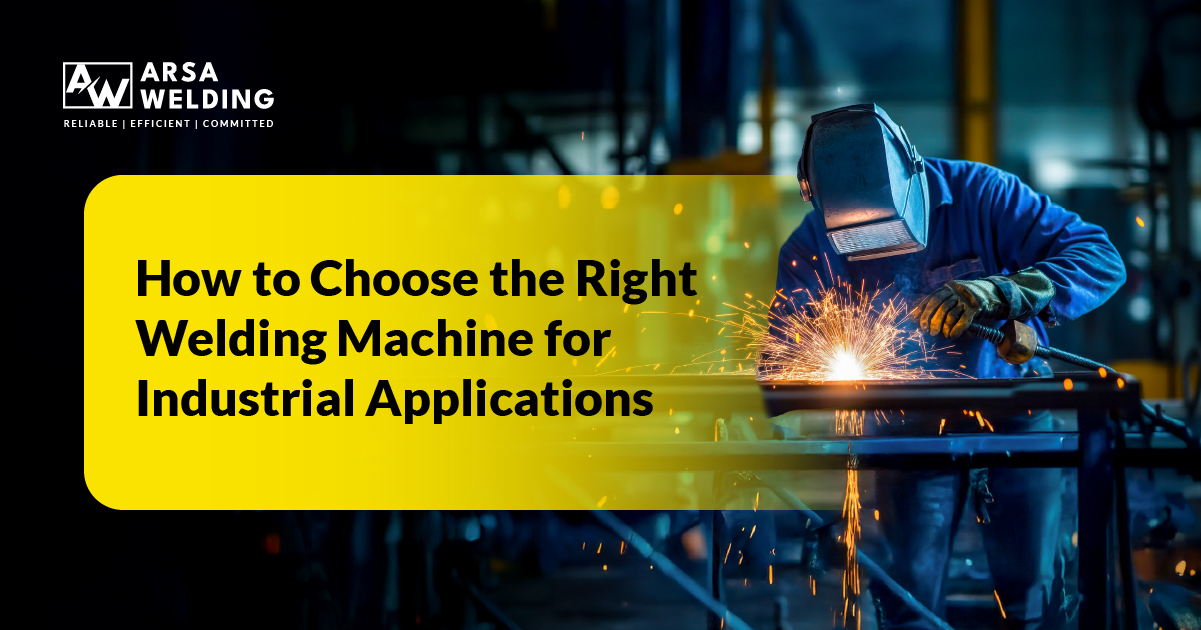
Choosing the right welding machine is a critical decision for industrial operations. From fabrication workshops to construction sites and engineering projects, the performance of a welding machine directly affects weld quality, productivity, and long-term reliability.
With multiple options available, including MIG welders, TIG welders, and arc welders, industrial buyers must evaluate more than just machine output. Understanding application requirements, material compatibility, and supplier support helps ensure the right choice for consistent industrial performance.
Understanding MIG, TIG, and Arc Welders for Industrial Use
Different welding processes are suited to different industrial requirements.
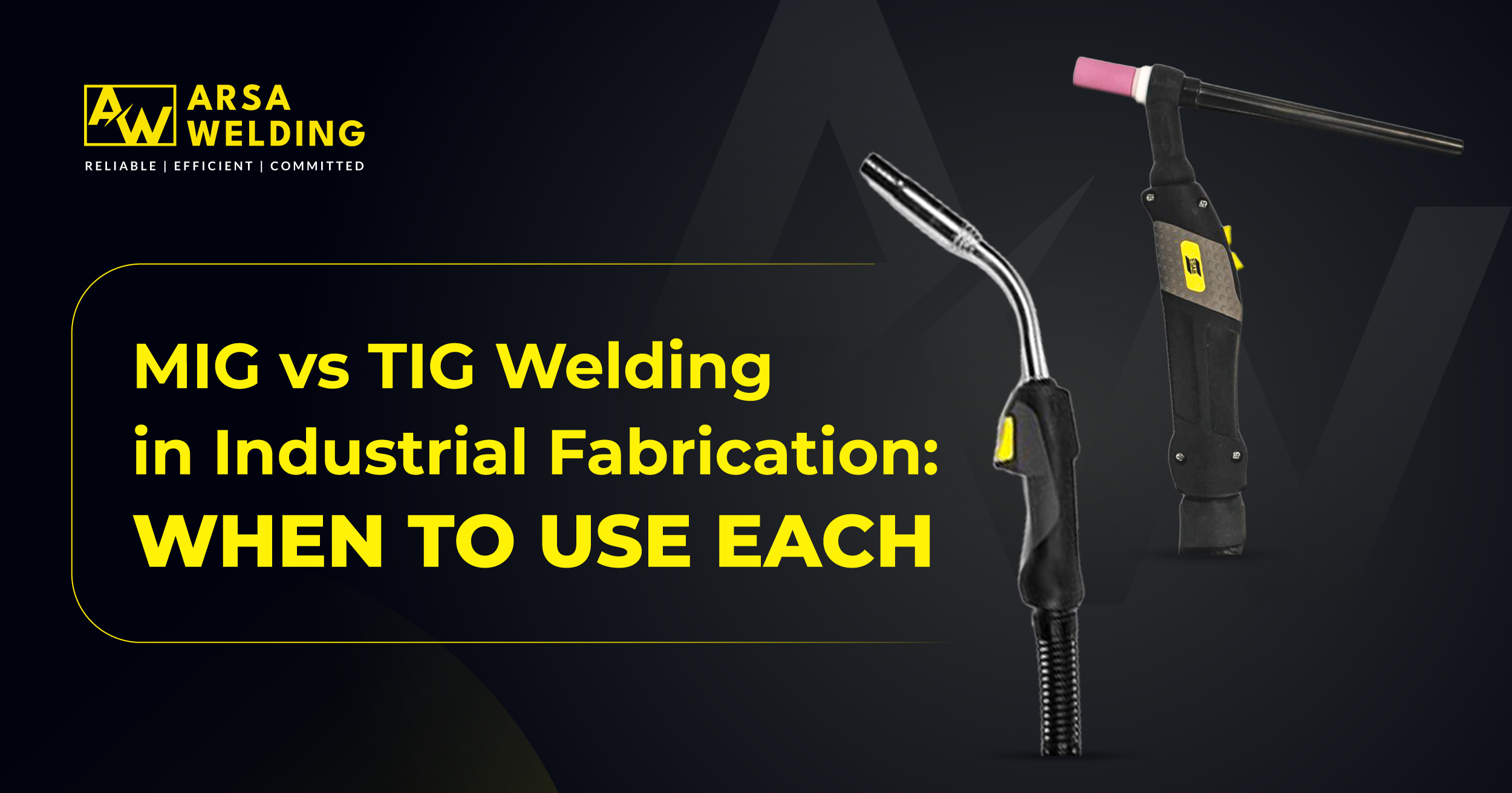
A MIG welder is commonly used for fabrication and production environments where speed and efficiency are important. MIG welding equipment supports consistent output and is suitable for mild steel, stainless steel, and aluminium in controlled workshop conditions.
A TIG welder, particularly an industrial TIG welding machine, is selected for applications requiring precision and control. TIG welding is often used for thinner materials, specialised fabrication, and work where weld appearance and accuracy are critical.
An arc welder, also known as a stick welder or machinery welder, is valued for its versatility and reliability in site conditions. Arc welders perform well in outdoor environments and are widely used for construction, maintenance, and repair work.
Understanding these differences helps industrial users match the welding process to the job at hand.
Matching Welding Machines to Material Type and Thickness
Material type and thickness are key factors when selecting welding machines. Thin materials require controlled heat input, making TIG welding a preferred option. Thicker materials and structural components often require higher output machines capable of sustained welding cycles.
Industrial operations benefit from selecting welding machines that can handle a range of materials rather than limiting capability to a single application. This flexibility becomes especially important in fabrication shops and multi-project environments.
Why Durability and Duty Cycle Matter in Industrial Welding
In industrial settings, welding machines are often used continuously over long working hours. The duty cycle indicates how long a welding machine can operate before requiring a cooling period.
Machines designed for industrial use are built with higher duty cycles, stronger components, and better thermal management. While cost is always a consideration, durability and long-term reliability often outweigh short-term savings for industrial users.
Reliable welding performance reduces downtime and supports steady production schedules.
The Role of Welding Machine Manufacturers and Brands
The performance of welding machines is closely linked to the reputation of welding machine manufacturers. Established manufacturers invest in engineering, testing, and product development to ensure consistent quality.
Brands such as ESAB welding equipment are widely recognised for reliability, performance, and safety standards. Industrial users often prefer working with proven manufacturers to ensure compatibility with project requirements and access to technical support.
Importance of Choosing a Reliable Welding Machine Supplier in the UAE
Beyond machine specifications, the reliability of the welding machine supplier plays a major role in long-term performance. Availability of machines, genuine accessories such as welders cable and welding electrode, and access to service support are essential for uninterrupted operations.
Working with a trusted welding machine supplier in the UAE ensures product authenticity, local availability, and dependable after-sales support. Access to an ESAB service centre or ESAB welding machine service center further supports maintenance and long-term machine performance.
Supporting Equipment and Safety Considerations
Industrial welding also requires appropriate safety and support equipment. Items such as a welding shield helmet, welder accessories, and welding protection equipment help maintain safe working conditions and support productivity on site.
Selecting compatible accessories and safety equipment alongside welding machines ensures a complete and reliable setup for industrial use.
Making an Informed Welding Machine Selection
Choosing the right welding machine is not about selecting the most advanced model available. It is about understanding application requirements, material types, duty cycle expectations, and the reliability of both the manufacturer and supplier.
By evaluating these factors carefully, industrial users can select MIG welding equipment, GMAW welding machines, laser welding equipment, or conventional arc welding systems that support consistent performance across projects.
At ARSA Welding, industrial buyers benefit from working with an experienced supplier offering access to ESAB welding machines, equipment, consumables, and service support across the UAE.
Explore More