January 28, 2026
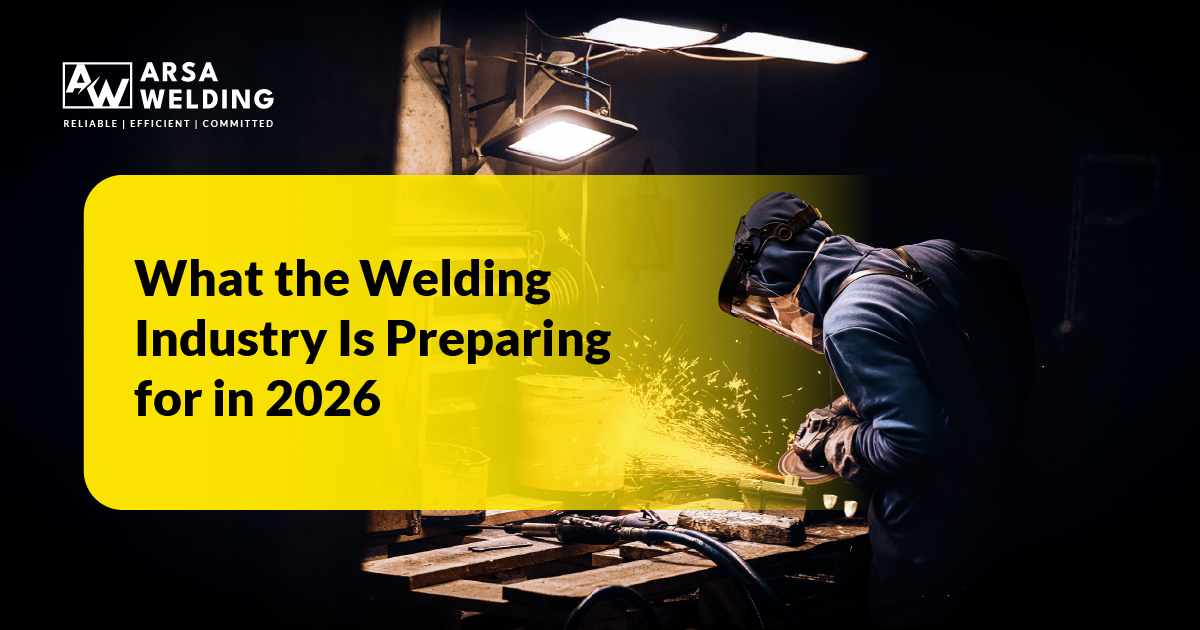
Industrial welding is entering a more demanding phase. Across construction, oil and gas, fabrication, and engineering projects, timelines are tightening, specifications are becoming stricter, and expectations from welding equipment and suppliers are rising. In 2026, welding is no longer evaluated only by machine output, but by reliability, consistency, service support, and supplier credibility.
This shift is reshaping how procurement teams, engineers, and project managers approach welding equipment selection.
Rising Demand for Reliable Welding Machines Across Industries
Large-scale infrastructure, energy, and industrial projects increasingly operate on compressed schedules. Delays caused by equipment downtime or inconsistent weld quality have direct cost implications.
As a result, demand is growing for reliable industrial welding machines that can perform consistently across long shifts, variable site conditions, and different materials. Construction and oil and gas projects, in particular, require machines that can handle structural steel, pipelines, and heavy fabrication without frequent recalibration or breakdowns.
Reliability is now a baseline requirement rather than a differentiator.
From Machine Output to Consistent Weld Quality
Historically, welding equipment decisions were driven by amperage range, duty cycle, or price. In 2026, the focus has shifted toward repeatable weld quality.
Project owners and quality inspectors increasingly expect:
- Uniform weld penetration
- Reduced spatter and defects
- Compliance with international welding standards
- Minimal rework on site
This has led to greater adoption of advanced welding equipment that delivers stable arcs and controlled heat input, helping teams meet quality benchmarks without slowing productivity.
Preference for Trusted Welding Machine Suppliers
With tighter timelines, procurement teams are moving away from short-term sourcing and unverified suppliers. Instead, there is a clear preference for established welding machine suppliers who can provide:
- Proven equipment performance
- Technical guidance during selection
- Reliable delivery schedules
- Long-term product availability
In markets such as the UAE, buyers increasingly search for authorised and experienced suppliers when asking questions like:
- Where can I buy ESAB welding machines in UAE?
- Who is the ESAB welding equipment supplier in UAE?
- Who supplies ESAB welding machines in Dubai?
Supplier credibility has become as important as the machine itself.
Service Support and Spare Parts Are No Longer Optional
Equipment availability directly affects project continuity. In 2026, selecting a welding equipment supplier involves evaluating not just the machine, but the support ecosystem behind it.
Key considerations include:
- Local service centres
- Availability of spare parts
- Technical support and troubleshooting
- Warranty and after-sales service
This is particularly important for buyers searching for a welding equipment supplier near me or an industrial welding equipment supplier who can respond quickly when issues arise.
Why Established Brands and Authorised Distributors Matter
As project risks increase, buyers are leaning toward established welding brands supported by authorised distributors. Brands such as ESAB are trusted globally for their engineering standards, durability, and consistent performance.
Authorised distributors play a critical role by ensuring:
- Genuine equipment and consumables
- Proper technical guidance
- Compliance with safety and industry standards
- Long-term service and support
For industries such as construction, heavy fabrication, and oil and gas, this reliability is essential when selecting welding equipment for heavy industry or a welding machine for fabrication work.
What Procurement Teams Should Prioritise in 2026
When selecting welding equipment and suppliers, procurement and project teams should focus on:
- Proven machine reliability
- Consistent weld quality
- Supplier track record and authorisation
- Availability of service support and spare parts
- Versatility of equipment for multiple applications
These factors help reduce operational risk and support timely project execution.
Conclusion
Welding practices in 2026 reflect a broader shift across industry toward accountability, quality, and reliability. Welding machines are no longer standalone tools, but critical assets within tightly managed projects.
By choosing trusted welding equipment suppliers, proven brands, and machines designed for consistency and support, industrial teams can better meet the demands of modern construction, fabrication, and engineering projects.
For businesses searching for the best welding machine supplier, welding equipment supplier UAE, or welding equipment supplier for construction, the focus should remain on long-term value rather than short-term cost.
Explore More