February 28, 2026
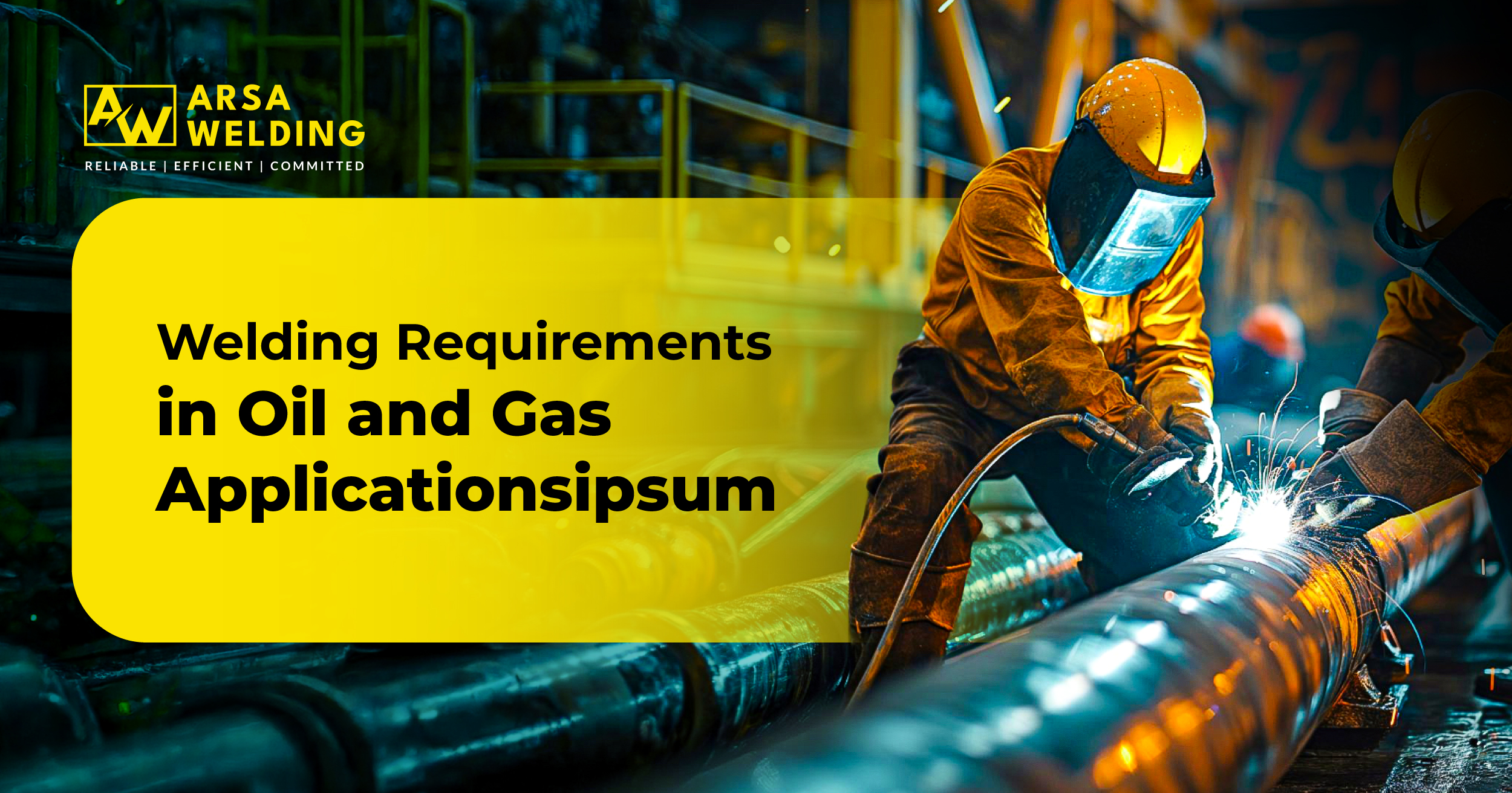
Welding in oil and gas environments operates under conditions that demand precision, durability, and uncompromising reliability. From upstream pipeline installations to downstream refinery maintenance, welding processes must meet strict mechanical, environmental, and inspection standards.
For contractors and engineering firms operating across the UAE, selecting the right welding machines UAE is not simply a procurement decision. It is a performance and compliance decision.
Demanding Operating Environments
Oil and gas welding applications often involve:
- Remote site locations
- High ambient temperatures
- Structural and pipeline welding
- Corrosion-sensitive materials
Equipment used in these environments must deliver consistent arc performance despite fluctuating site conditions. A robust machinery welder with stable output becomes critical where downtime directly impacts project schedules.
Processes such as MIG welding, TIG welding, and manual arc welder operations are all used depending on application. Pipeline work may demand cellulosic electrodes, while structural fabrication in facilities may require controlled parameters through a GMAW welding machine or an industrial TIG welding machine.
Durability is not optional in oil and gas work. It is foundational.
Consistency and Inspection Expectations
Oil and gas welds are subject to stringent inspection standards, including radiographic and ultrasonic testing. Weld consistency is therefore more than visual quality. It is structural integrity.
Welders must achieve:
- Controlled penetration
- Minimal defects
- Repeatable arc behaviour
- Low hydrogen characteristics where required
This is where the quality of consumables such as Welding Electrode selections and shielding gas compatibility becomes essential. Reliable performance from ESAB welding equipment supports welders in maintaining consistency across long pipeline sections or structural joints.
Inspection-driven industries demand that equipment, consumables, and procedures work together. Variability increases risk. Stability reduces it.
The Role of Equipment Reliability
In oil and gas projects, equipment failure does not simply delay work. It can halt operations across entire sections of a site.
Reliable welding machine manufacturers design power sources capable of handling continuous operation under demanding cycles. Machines must maintain output accuracy, especially where heat input control affects metallurgical properties.
Digital inverter technology in modern systems improves arc stability and allows for controlled parameter adjustment. However, equipment capability must be supported by service infrastructure.
This is where working with an established welding machine supplier becomes critical.
Safety and Compliance Considerations
Oil and gas welding also requires strict adherence to safety standards. Proper welding protection equipment, including helmets and gloves, must meet industrial requirements to protect operators working in confined or high-risk environments.
Compliance is procedural. Safety is operational. Both depend on the correct combination of equipment and support.
Conclusion
Welding in oil and gas applications demands more than technical skill. It requires dependable equipment, consistent consumables, inspection-ready results, and supplier reliability.
For contractors operating in high-performance environments, partnering with an experienced supplier such as ARSA Welding ensures access to certified equipment, trusted consumables, and long-term service support across the UAE.
In industries where precision and reliability define success, welding machines UAE selection becomes a strategic decision.
Explore More